Are you ready to customize your product?
Fill in your information and requirements, and we will address your inquiry promptly!


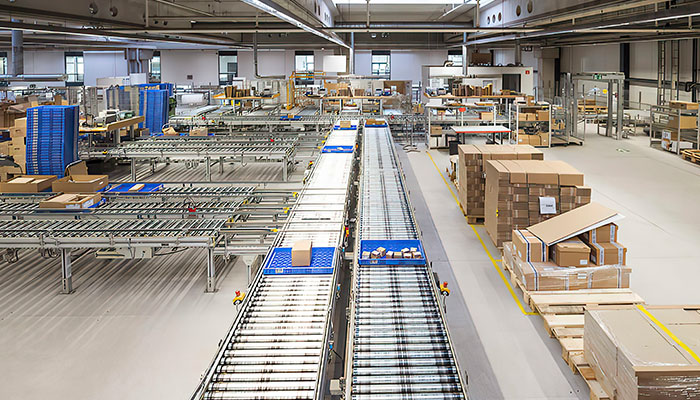
Efficient material transportation is an important part of modern industrial operations. Manufacturing facilities, warehouses, and processing environments all require reliable systems to move products smoothly between different working areas. As production processes become more organized and automated, conveyor equipment plays a key role in improving workflow stability and reducing unnecessary manual movement.
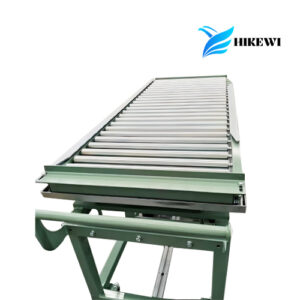
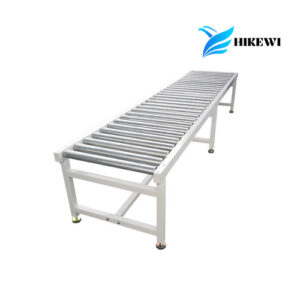
A roller conveyor table is a widely used material handling solution designed to support and transport products through rotating rollers mounted on a structured frame. With a simple but effective design, roller table conveyors can handle various products, containers, components, and materials across different industrial applications.
Unlike complex transportation systems that require multiple driving mechanisms, roller table conveyors provide a practical solution for many production and logistics environments. Their flexible configuration, durability, and compatibility with different workflows make them valuable equipment for businesses looking to optimize internal transportation processes.
This article explains the main features, benefits, applications, and selection factors of roller table conveyor systems to help readers better understand their role in modern material handling.
A roller conveyor table is a type of conveyor equipment that uses a series of rollers installed on a supporting frame to move materials from one location to another. The rollers create a smooth transportation surface, allowing products to move with reduced resistance.
Depending on the application requirements, roller table conveyor systems can operate through gravity, manual pushing, or powered drive mechanisms. The design can be customized according to product size, weight, transportation distance, and production layout.
A typical roller table conveyor consists of:
The basic function of a roller table conveyor is to provide stable support while maintaining smooth product movement. This makes it suitable for many industries where consistent transportation and organized workflow are required.
The concept of conveyor-based transportation is closely connected with material handling, which covers the movement, storage, and control of materials throughout industrial processes.
The performance of a roller table conveyor depends on the design and quality of its main components.
The rollers are the most important working parts of the system. They directly contact transported materials and determine movement stability.
Different roller materials and designs can be selected based on:
For heavier applications, stronger rollers and reinforced structures may be required to maintain reliable operation.
The frame provides structural support for the entire conveyor system. A properly designed frame ensures correct roller alignment and improves long-term durability.
The frame design also affects installation flexibility, allowing the conveyor to be integrated into different production layouts.
Bearings allow rollers to rotate smoothly while reducing friction. High-quality supporting components contribute to stable operation and lower maintenance requirements.
Together, these components create a reliable transportation platform suitable for industrial applications.
The operating principle of a roller table conveyor is based on controlled product movement across rotating rollers.
When a product is placed on the conveyor surface, the rollers rotate as the product moves forward. In gravity applications, the product moves through a slight slope or external pushing force. In powered systems, motors provide controlled movement.
The efficiency of a roller table conveyor depends on several design factors:
Proper design ensures that products remain stable during transportation and reduces the possibility of interruptions caused by poor movement control.
Roller conveyor table systems are widely used because of several practical design advantages.
One of the main features of roller conveyor tables is their adaptability. They can be designed in different lengths, widths, and layouts to match specific operational requirements.
This flexibility allows businesses to integrate conveyors into existing production lines, warehouse systems, and assembly processes.
The continuous roller surface provides consistent support for products during movement. This is especially useful for items with flat bottoms, such as boxes, pallets, containers, and industrial components.
Stable transportation helps reduce product shifting and improves handling accuracy.
Industrial roller conveyor tables are designed for continuous operation. Strong frames, reliable rollers, and suitable materials help maintain performance under demanding working conditions.
With proper maintenance, these systems can provide long-term transportation support.
Roller conveyor tables provide multiple advantages for industrial material handling.
A well-designed conveyor layout helps connect different production stages. Materials can move smoothly between processing, assembly, inspection, and packaging areas.
This improves workflow organization and reduces unnecessary transportation steps.
Roller table conveyor systems can be adapted for various products and applications. Whether handling small packages or larger industrial components, the system can be configured according to specific requirements.
For businesses requiring customized solutions, professional conveyor equipment solutions can help develop suitable system designs.
Manual movement of materials can require additional labor and may create inconsistent handling processes.
By providing a dedicated transportation path, roller table conveyors reduce repetitive movement and create a more organized working environment.
Roller conveyor table systems are used across many industries due to their flexibility and reliability.
Manufacturing facilities commonly use roller conveyor tables to move components and finished products between different production areas.
They help maintain a continuous workflow and support efficient material transfer between workstations.
Warehouses require effective transportation systems to manage product movement. Roller table conveyors are often used for sorting, loading, unloading, and internal product transfer.
Their simple structure makes them suitable for many storage and distribution processes.
Packaging operations require stable product positioning during transportation. Roller table conveyors provide smooth movement for cartons, containers, and packaged products.
They can also be combined with automated equipment to support more advanced production processes.
Different conveyor systems provide different advantages depending on application requirements.
| Conveyor Type | Main Features | Suitable Applications |
|---|---|---|
| Roller Table Conveyor | Uses multiple rollers for stable product movement | Boxes, pallets, containers, production transfer |
| Belt Conveyor | Uses continuous belts for transportation | Bulk materials and irregular products |
| Chain Conveyor | Designed for heavy-duty transportation | Large and heavy components |
| Powered Roller Conveyor | Provides controlled automated movement | Automated production lines |
Roller conveyor tables are often selected when companies need stable product support, simple operation, and flexible installation options.

Selecting the correct roller table conveyor requires evaluating several important factors.
The weight and dimensions of transported products directly affect conveyor design.
Important considerations include:
Choosing suitable capacity helps prevent excessive wear and improves system reliability.
The conveyor dimensions should match the available workspace and transportation requirements.
Factors such as conveyor length, width, height, and connection with other equipment should be considered during planning.
Different working environments require different design considerations.
Important factors include:
Selecting suitable materials helps maintain stable performance under different operating conditions.
Modern industrial operations increasingly combine conveyor systems with automation technology.
Roller table conveyors can be integrated with sensors, control systems, robotic equipment, and other automated solutions to create more efficient production environments.
Automation integration can provide benefits such as:
As manufacturing becomes more connected, roller table conveyor systems continue to serve as important components in automated material handling networks.
Regular maintenance helps maintain reliable conveyor operation and extend equipment service life.
Important maintenance practices include:
Operators should check roller rotation, unusual noise, and visible damage to identify potential problems early.
Proper roller alignment helps prevent uneven loading and improves transportation stability.
Lubrication, inspection, and timely replacement of worn components help reduce unexpected downtime.
Removing dust, debris, and material buildup supports smoother operation and improves component lifespan.

The development of roller table conveyor systems is closely connected with industrial automation and flexible manufacturing.
Future trends include:
Sensors and digital systems can monitor equipment conditions and support predictive maintenance strategies.
Modular conveyor structures allow businesses to adjust layouts more easily as production requirements change.
New designs focus on reducing energy consumption while maintaining reliable transportation performance.
These developments will continue improving the role of roller table conveyor systems in modern industrial environments.
Roller conveyor table systems provide a practical and reliable solution for transporting materials across manufacturing, warehousing, packaging, and industrial environments.
Their simple structure, flexible configuration, and stable transportation performance make them valuable components in modern material handling operations. By selecting the correct design, capacity, and configuration, businesses can create more organized and efficient transportation processes.
As industries continue adopting automation and smarter production methods, roller table conveyor technology will remain an important part of future material movement solutions.
What is a roller conveyor table?
A roller table conveyor is a material handling system that uses multiple rollers mounted on a frame to transport products. It provides stable movement for items such as boxes, pallets, and industrial components in different applications.
What products can roller conveyor tables handle?
Roller table conveyors can handle various products with stable bottom surfaces, including cartons, containers, pallets, and manufactured components. The design can be adjusted according to product weight, size, and transportation requirements.
What are the advantages of roller conveyor table systems?
The main advantages include simple structure, reliable transportation, flexible installation, reduced manual handling, and compatibility with different industrial workflows.
How do I select the right roller conveyor table?
Selection depends on product weight, conveyor dimensions, operating environment, required speed, and integration requirements. Proper evaluation helps ensure reliable performance and longer service life.
Can roller table conveyors be integrated with automation systems?
Yes. Roller table conveyors can work with sensors, control systems, and automated equipment to support modern production lines and improve material handling coordination.