Are you ready to customize your product?
Fill in your information and requirements, and we will address your inquiry promptly!

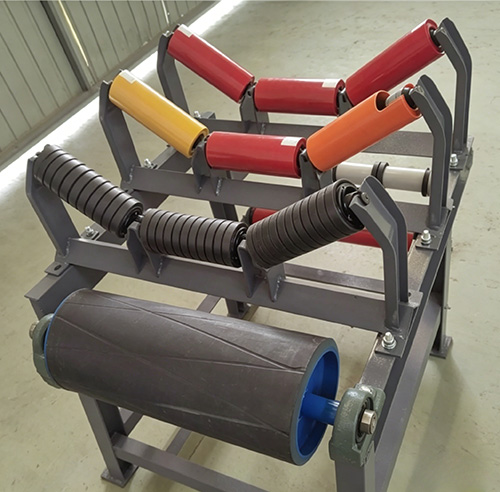
Modern industrial operations depend on reliable material transportation systems to maintain stable production and logistics processes. From manufacturing facilities to warehouses, conveyor systems provide an effective way to move materials while improving workflow organization and reducing unnecessary handling.
Among different conveyor components, the roller idler conveyor plays an important role in supporting material movement and maintaining conveyor system stability. Roller idlers are designed to provide continuous support, reduce resistance, and help maintain proper alignment during operation.
Choosing the right roller idler conveyor system requires a clear understanding of its structure, operating principles, application requirements, and technical specifications. A suitable design can improve equipment reliability, reduce maintenance requirements, and support long-term operational performance.
This guide explains the key design features, applications, and selection considerations of roller idler conveyor systems to help businesses better understand this essential conveyor solution.
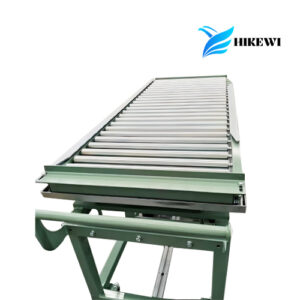
A idler roller conveyor system is a type of conveying solution that uses rotating rollers to support and transport materials. The rollers, known as idlers, rotate freely around their shafts and provide a stable surface for material movement.
Unlike powered rollers that directly drive products, idler rollers mainly function as support components. They are commonly used in belt conveyor systems, gravity conveyor applications, and industrial material handling equipment.
The main purpose of a roller idler conveyor is to:
In industrial environments, roller idlers are essential components that influence conveyor performance, durability, and operational reliability.
The broader concept of material transportation systems is closely related to material handling, which includes the movement, storage, and control of materials throughout industrial processes.
A idler roller conveyor system consists of several mechanical components that work together to provide stable transportation.
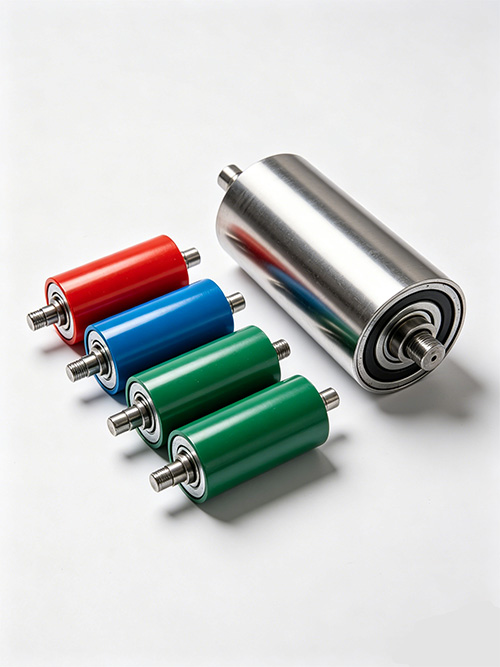
The roller tube is the main rotating body of the idler. Its diameter, material, and surface design affect load capacity and operating performance.
Different applications may require different roller structures depending on transported materials, operating speed, and environmental conditions.
The shaft provides structural support, while bearings allow smooth rotation with reduced friction.
High-quality bearings are important because they directly influence:
The frame supports the entire conveyor structure and keeps rollers aligned. Proper frame design helps prevent uneven loading and improves system reliability.
In industrial environments, dust, moisture, and contaminants may affect roller performance. Sealing systems help protect internal components and extend operating life.
A well-designed roller idler conveyor combines these components into a stable and reliable transportation system.
The operating principle of a idler roller conveyor is relatively simple but highly effective.
When materials or conveyor belts move across the rollers, the contact force causes the rollers to rotate. Because the rollers rotate freely, they reduce friction between the transported material and the conveyor structure.
In belt conveyor applications, idlers support the belt and help maintain its correct position during operation. In product handling systems, rollers provide a smooth surface that allows goods to move with minimal resistance.
The performance of a roller idler conveyor depends on several factors:
A properly configured system ensures consistent movement and reduces the risk of operational problems.
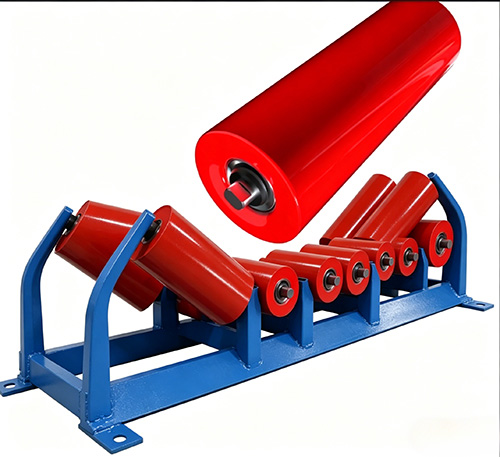
Different industrial applications require different types of idler rollers. Selecting the correct roller type helps improve system performance and reliability.
| Roller Idler Type | Design Features | Common Applications |
|---|---|---|
| Carrying Idler Roller | Supports the loaded side of conveyor belts | General material transportation |
| Return Idler Roller | Supports the empty return side of belts | Belt conveyor systems |
| Impact Idler Roller | Uses shock-absorbing structure | Loading and transfer areas |
| Trough Idler Roller | Creates a curved belt support shape | Bulk material handling |
| Self-Aligning Idler Roller | Helps correct belt deviation | Long-distance conveyor systems |
Each type has a specific function. For example, impact idlers are suitable for areas where materials drop onto the conveyor, while self-aligning idlers help maintain belt tracking.
Roller idler conveyor systems are used across many industries because of their flexibility and durability.
Manufacturing facilities use roller idler conveyors to support continuous production processes. They help transport components, finished products, and materials between different workstations.
Stable material movement helps create more organized production layouts and reduces interruptions caused by inefficient transportation.
Warehouses require reliable internal transportation systems for sorting, storage, and distribution activities.
Roller idler conveyor systems help move products through different operational areas while maintaining smooth and controlled movement.
Industrial environments handling heavier materials require strong conveyor components capable of supporting continuous loads.
Heavy-duty roller idlers are designed to provide stronger support and improved durability under demanding conditions.
Packaging operations often require consistent product positioning. Roller idler conveyor systems provide a stable transportation surface for cartons, containers, and packaged goods.
They can also be integrated with other automation equipment to support more advanced production processes.
Selecting the right roller idler conveyor requires evaluating several technical and operational requirements.
Load capacity is one of the most important considerations. The roller design should match the weight and size of transported materials.
Using rollers below the required capacity may lead to faster wear, reduced performance, and unexpected maintenance issues.
The diameter and spacing of rollers influence transportation stability.
Larger rollers are generally suitable for heavier loads, while smaller spacing provides better support for smaller or irregular products.
The working environment affects material selection and design requirements.
Important factors include:
A suitable design should consider both current operating conditions and future requirements.
Easy maintenance is essential for long-term conveyor reliability.
Systems designed with accessible components allow faster inspection, repair, and replacement, reducing operational downtime.
Professional conveyor equipment solutions can help companies select suitable configurations based on specific production needs.
Different conveyor technologies are designed for different applications. Understanding their differences helps improve system selection.
| Conveyor Type | Main Characteristics | Suitable Applications |
|---|---|---|
| Roller Idler Conveyor | Provides support and smooth material movement | Industrial handling and belt support |
| Powered Roller Conveyor | Uses motors for controlled movement | Automated production lines |
| Belt Conveyor | Uses continuous belts for transportation | Bulk and packaged materials |
| Chain Conveyor | Provides strong load handling capability | Heavy-duty applications |
Roller idler conveyors are especially valuable when stable support, durability, and simple operation are important requirements.
Regular maintenance helps maintain the performance and service life of roller idler conveyor systems.
Important maintenance activities include:
Abnormal noise, resistance, or uneven rotation may indicate bearing problems or mechanical wear.
Incorrect alignment can affect conveyor performance and increase component stress.
Regular inspections help identify damaged rollers, worn bearings, or structural issues before they affect operations.
Removing dust, debris, and accumulated materials helps maintain smooth operation.
A preventive maintenance program improves reliability and reduces unexpected equipment interruptions.
The development of conveyor technology continues to focus on reliability, automation, and intelligent operation.
Several trends are influencing future roller idler conveyor systems:
Advanced materials and manufacturing processes are helping create stronger and more durable roller components.
Sensors and digital monitoring technologies allow operators to track equipment conditions and identify potential maintenance needs.
Flexible conveyor designs allow businesses to adjust layouts according to changing production requirements.
As industrial operations become more automated, roller idler conveyor systems will continue to serve as important components supporting efficient material transportation.
Roller idler conveyor systems are fundamental components in modern industrial transportation. Their ability to provide stable support, reduce friction, and improve material movement makes them suitable for a wide range of applications.
Understanding the design features, roller types, operating principles, and selection factors helps businesses choose more reliable conveyor solutions.
Whether used in manufacturing, warehousing, packaging, or heavy material handling, a properly designed roller idler conveyor system can provide long-term operational value and support more efficient industrial processes.
What is a roller idler conveyor used for?
A roller idler conveyor is used to support and transport materials through industrial handling processes. It helps maintain stable movement, reduce friction, and improve the reliability of conveyor operations in different applications.
What are the main types of roller idler conveyor rollers?
Common types include carrying idlers, return idlers, impact idlers, trough idlers, and self-aligning idlers. Each type is designed for different operating conditions and material transportation requirements.
How do I choose the right roller idler conveyor system?
Selection depends on factors such as load capacity, roller size, material characteristics, operating environment, conveyor layout, and maintenance requirements. Proper evaluation ensures better system performance.
Why are roller idlers important in conveyor systems?
Roller idlers provide essential support for materials and conveyor belts. They help maintain alignment, reduce friction, distribute loads evenly, and improve overall conveyor stability.
How can roller idler conveyor performance be maintained?
Regular inspections, proper alignment checks, cleaning, and timely replacement of worn components help maintain reliable performance and extend the service life of roller idler conveyor systems.