Are you ready to customize your product?
Fill in your information and requirements, and we will address your inquiry promptly!


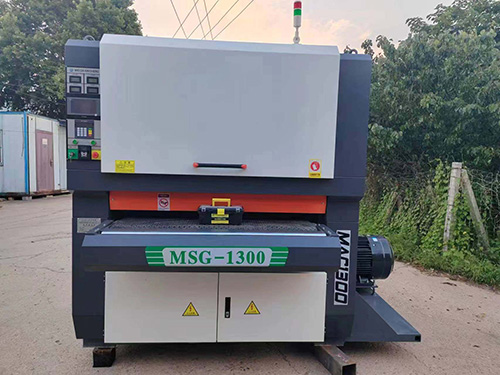
Surface finishing is one of the most important stages in modern wood processing. Whether producing furniture, wooden panels, flooring components, or customized wood products, manufacturers need reliable equipment to achieve consistent surface quality and improve production efficiency.
A woodworking sander machine is an essential tool used to smooth, refine, and prepare wooden surfaces by removing uneven areas, machining marks, and surface imperfections. Compared with manual sanding methods, industrial sanding equipment provides better consistency, higher processing speed, and improved control over surface finishing quality.
As woodworking production becomes more specialized, selecting the right wood sander requires a clear understanding of machine types, sanding methods, production requirements, and application environments. A suitable sanding solution can help manufacturers improve product appearance, reduce material waste, and create more stable production processes.
This article explains the main types, applications, features, and selection considerations of wood sander machines for modern wood processing.
A woodworking sander is a woodworking machine designed to smooth and finish wooden surfaces through abrasive action. The machine uses sanding belts, discs, drums, or other abrasive materials to remove rough areas and create a more uniform surface.
Wood sanders are widely used in both small workshops and large-scale production environments. Depending on the design, they can process different types of wood materials, including solid wood boards, plywood, panels, and other wooden components.
The main purposes of a wood sander include:
In professional woodworking operations, sanding is not only a finishing step but also an important process that influences the durability and visual quality of final products.
The broader field of woodworking includes various processes such as cutting, shaping, joining, and finishing wood materials, with sanding playing an important role in achieving high-quality results.
The working principle of a woodworking sander is based on controlled abrasion. The abrasive surface moves against the wood material, gradually removing small amounts of material to create a smoother and more even surface.
Different sanding methods use different mechanisms:
Belt sanders use a continuously moving sanding belt that rotates around rollers. This design allows fast material removal and is commonly used for larger wooden surfaces.
Drum sanders use rotating sanding drums to process wood surfaces with consistent pressure and controlled finishing.
Disc sanders use circular abrasive discs and are often suitable for detailed finishing work.
Wide belt sanders are designed for industrial production and can process large panels with high consistency.
The choice of sanding method depends on the material type, required surface quality, production volume, and processing requirements.
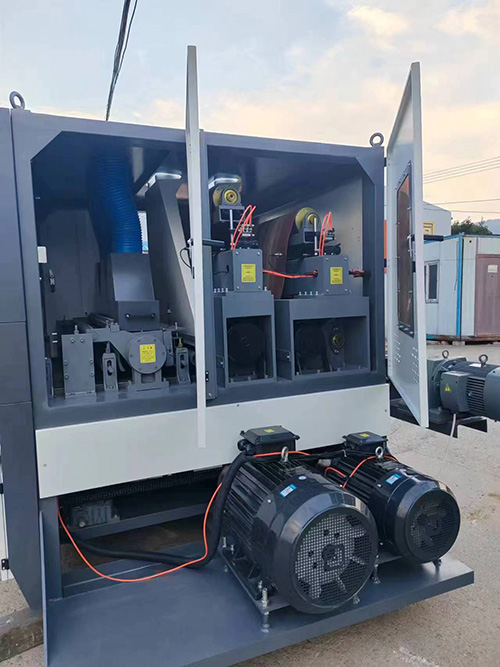
A woodworking sander consists of several components that work together to achieve accurate surface finishing.
The sanding unit is the main working section of the machine. It contains abrasive materials responsible for removing surface imperfections.
The selection of abrasive type and grit size affects:
The feeding system controls how wood materials move through the machine. Stable feeding helps maintain consistent sanding pressure and improves processing accuracy.
A pressure mechanism ensures that materials maintain proper contact with the sanding surface. This helps prevent uneven finishing caused by unstable material positioning.
Sanding generates fine wood particles that need to be controlled. Effective dust collection systems help maintain a cleaner working environment and improve equipment performance.
Different woodworking applications require different sanding solutions. Choosing the correct type improves processing results and operational efficiency.
| Wood Sander Type | Main Features | Common Applications |
|---|---|---|
| Belt Wood Sander | High material removal capability and continuous sanding | Large wooden boards and components |
| Wide Belt Sander | Provides uniform surface finishing for large panels | Furniture and panel production |
| Disc Sander | Suitable for detailed finishing and edge work | Small components and customized woodworking |
| Orbital Sander | Produces smooth finishing with reduced marks | Fine surface preparation |
| Automatic Wood Sander | Supports continuous production operations | Industrial woodworking lines |
Each type of woodworking sander has different advantages. For example, wide belt sanders are commonly used in high-volume production because they provide consistent finishing across large surfaces.
Wood sanding directly affects the appearance, performance, and finishing quality of wooden products.
One of the primary benefits of a woodworking sander is achieving a smooth and uniform surface. Uneven textures, machining marks, and small imperfections can be removed during sanding.
A consistent surface allows coatings, paints, and finishes to adhere more effectively.
Manual sanding can produce variations between operators and individual products. Industrial wood sanders provide controlled sanding pressure and movement, helping manufacturers maintain consistent quality.
This is especially important in furniture and panel production where appearance standards must remain stable across large quantities.
Before painting, coating, laminating, or assembly, wood surfaces often require proper preparation.
A wood sander creates the necessary surface condition for further processing steps, improving final product quality.
Woodworking sanders are used in many areas of the woodworking industry.
Furniture manufacturers rely on sanding equipment to process tabletops, cabinet panels, doors, and decorative components.
A smooth surface is essential for achieving attractive finishes and maintaining product quality.
Wood panels require precise surface treatment before they can be used in construction, furniture, and interior applications.
Wide belt sanding equipment is commonly used to create uniform thickness and smooth surfaces.
Custom woodworking projects often require detailed surface finishing. Different sanding machines can provide flexibility for handling various shapes, sizes, and materials.
Large production environments require automated equipment to maintain stable output. Industrial wood sanders can be integrated with other machines to create continuous processing workflows.
For companies looking for integrated solutions, professional wood processing equipment can support different production requirements.
Selecting the right woodworking sander requires evaluating several technical and operational factors.
The machine should provide consistent sanding results according to the required surface quality.
Important considerations include:
A suitable machine design helps achieve stable finishing results across different materials.
The required machine capacity depends on production needs.
Small workshops may require compact sanding equipment, while industrial manufacturers often need wider machines capable of continuous operation.
The abrasive system influences sanding efficiency and surface quality.
At the same time, an effective dust collection system is important for maintaining equipment performance and creating a cleaner working environment.
Different sanding methods provide different levels of performance depending on production requirements.
| Feature | Wood Sander Machine | Manual Sanding |
|---|---|---|
| Processing Speed | Faster and suitable for continuous production | Slower and dependent on labor |
| Surface Consistency | Provides uniform finishing | May vary between operators |
| Production Capacity | Suitable for larger volumes | Better for small-scale work |
| Accuracy Control | More precise adjustment options | Limited control |
Industrial wood sanders are preferred when manufacturers need repeatable quality and efficient processing.
Automation has become an important trend in modern woodworking. Wood sander machines can be integrated with automated feeding systems, production lines, and digital controls to improve workflow management.
Automated sanding solutions provide benefits such as:
By connecting sanding equipment with other woodworking machines, manufacturers can create more efficient production systems.
Regular maintenance helps ensure stable operation and extends machine service life.
Important maintenance practices include:
Sanding belts and abrasive materials should be inspected regularly and replaced when performance decreases.
Removing wood dust from machine components helps maintain proper operation and reduces potential problems.
Bearings, rollers, feeding systems, and adjustment components should be checked periodically.
Correct machine adjustment ensures consistent sanding pressure and improves finishing accuracy.
Preventive maintenance reduces downtime and helps maintain reliable production performance.
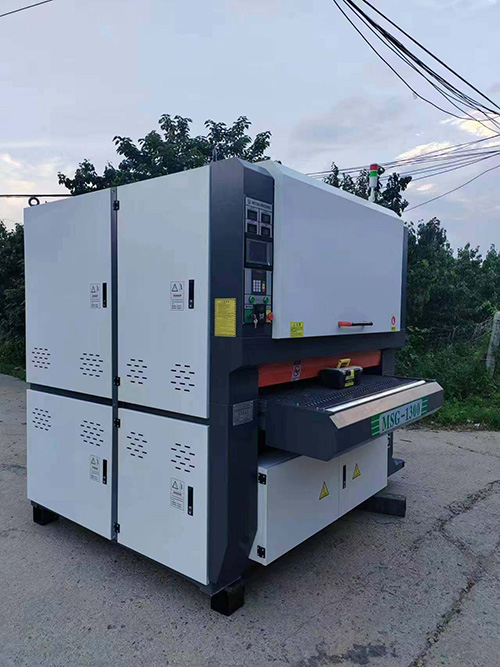
Wood sanding technology continues to develop with improvements in automation, precision control, and energy efficiency.
Future trends include:
Digital controls and sensors allow machines to monitor operating conditions and improve processing accuracy.
More wood sanders are being connected with complete production lines to support continuous manufacturing.
Advanced sanding methods continue to improve finishing quality while reducing material loss.
As woodworking industries continue adopting smarter production methods, wood sander machines will remain essential equipment for achieving efficient and consistent surface treatment.
Wood sander machines are important tools for modern wood processing, providing accurate surface finishing, improved production consistency, and better preparation for additional manufacturing steps.
From furniture production to industrial woodworking operations, the right sanding equipment helps manufacturers achieve higher quality standards while improving workflow efficiency.
Understanding different machine types, applications, and selection factors allows businesses to choose suitable sanding solutions for their specific requirements. With continued development in automation and precision technology, wood sanders will continue supporting the evolution of professional woodworking production.
What is a wood sander used for?
A wood sander is used to smooth wooden surfaces, remove imperfections, and prepare materials for finishing processes such as painting, coating, or assembly. It helps create consistent surface quality in woodworking applications.
What are the main types of wood sanders?
Common types include belt sanders, wide belt sanders, disc sanders, orbital sanders, and automatic industrial wood sanders. Each type is designed for different materials, production volumes, and finishing requirements.
Why use a wood sander instead of manual sanding?
A wood sander provides faster processing, more consistent results, and better control over surface finishing. It is especially useful for production environments requiring repeatable quality.
How do I choose the right wood sander?
Selection depends on factors such as material size, production capacity, required surface quality, machine configuration, and dust control requirements. The right choice depends on specific woodworking applications.
How can wood sander performance be maintained?
Regular maintenance includes checking sanding belts, cleaning dust, inspecting mechanical components, and keeping machine settings properly adjusted. Preventive care helps maintain stable performance and extend equipment life.