Are you ready to customize your product?
Fill in your information and requirements, and we will address your inquiry promptly!


If you’re managing production lines, material handling systems, or industrial processing equipment, you already know that component quality can make or break your operational efficiency. One often-overlooked hero is the rubber roller—a deceptively simple part that directly impacts traction, material handling, and throughput across countless industries. From printing presses and conveyor systems to packaging and food processing, choosing the right rubber roller manufacturers is a decision that can affect equipment reliability and your bottom line.
In this guide, you’ll learn how to assess rubber roller requirements from a practical, user-centric perspective. We’ll explore material selection, core construction, performance metrics, real-world applications, and how to evaluate rubber roller manufacturers effectively. By the end, you’ll have actionable insights to make smarter procurement decisions and optimize your industrial operations.
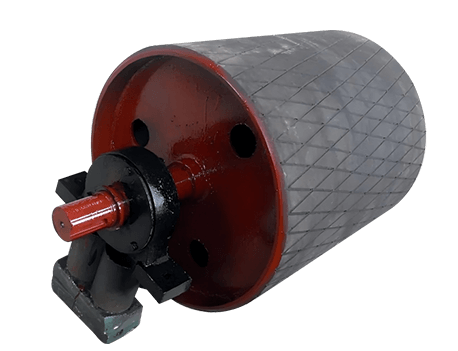
At its core, a rubber roller is a cylindrical component with a rubber coating bonded to a durable core. The rubber surface provides grip, absorbs shock, protects materials, and ensures smooth operation in high-speed or heavy-load environments.
Rubber rollers are widely used because they:
For example, in printing, the roller must deliver consistent ink transfer and pressure across thousands of cycles. In conveyor systems, a rubber coating ensures non-slip material transport and reduces wear on belts and bearings.
When assessing rubber roller manufacturers, it’s crucial to understand the elements that influence roller performance. You should focus on materials, construction, and design specifications that suit your application.
Not all rubber is created equal. Your choice of compound should be dictated by the operational demands. Common types include:
| Rubber Type | Best For | Typical Applications |
|---|---|---|
| Natural Rubber | Shock absorption | Conveyor rollers, general purpose |
| NBR | Oil & chemical resistance | Industrial, automotive |
| Silicone | High temperature | Food processing, heat exposure |
| EPDM | UV/weather | Outdoor conveyors |
| Polyurethane | High wear | Heavy-duty industrial rollers |
Tip: Always choose rubber roller manufacturers capable of customizing compounds to your operational needs. Standard grades may not provide the longevity and performance your process demands.
The core of a rubber roller is just as important as the rubber itself. It provides structural strength and ensures proper mounting.
| Core Material | Strength | Weight | Typical Applications |
|---|---|---|---|
| Carbon Steel | High | Heavy | Heavy conveyors, industrial loads |
| Stainless Steel | Corrosion-resistant | Medium | Chemical environments |
| Aluminum Alloy | Moderate | Light | Precision machinery, printers |
| Composite (Carbon/Glass Fiber) | High | Very Light | High-speed, lightweight conveyors |
Selecting the correct core depends on your operational environment. For example, stainless steel cores resist corrosion in moist or chemical environments, while aluminum or composite cores enable faster, high-speed production with reduced energy use.
Rubber roller quality is determined by several critical factors:
Challenge: A mid-sized packaging facility faced frequent roller failures due to chemical exposure and abrasive materials, causing costly downtime.
Solution: The plant switched to customized EPDM rubber rollers with a tailored compound and reinforced cores for higher durability.
Outcome:
Insight: Investing in customized rollers significantly improves line reliability and reduces operational interruptions.
Challenge: A commercial printer experienced inconsistent ink transfer and frequent print defects.
Solution: Partnered with rubber roller manufacturers to produce precision-balanced rollers with specific durometer and surface finish requirements.
Outcome:
Reference: Rubber rollers are essential for high-quality printing operations.
Proper maintenance extends roller life:
| Segment | Growth Driver | Requirement |
|---|---|---|
| Material Handling | E-commerce boom | Durability & efficiency |
| Printing | Digital printing | Precision & consistency |
| Packaging | Automation | Traction & reliability |
| Food & Pharma | Hygiene | FDA-compliant materials |
Choosing the right rubber roller manufacturers is more than just a purchasing decision—it’s a strategic move that directly affects your operational efficiency, product quality, and long-term maintenance costs. By understanding the critical factors such as rubber compound selection, core materials, hardness, adhesion quality, and surface finish, you can ensure your rollers are optimized for your specific industrial application.
Real-world cases show that investing in customized rollers and partnering with knowledgeable rubber roller manufacturers leads to measurable improvements: reduced downtime, extended service life, higher throughput, and better product quality. When combined with proactive maintenance and performance monitoring, these choices translate into tangible operational and financial benefits.
Ultimately, a well-chosen rubber roller solution empowers you to maximize productivity, minimize unplanned stops, and gain a competitive advantage in your industry. With the right insights and support, you can confidently select rubber roller manufacturers that deliver both performance and reliability.
Most durable rubber roller material?
Polyurethane or EPDM, depending on environment
Can rollers be re-coated?
Yes, re-coating extends life if the core is intact.
Do rubber rollers handle chemicals and heat?
Yes, NBR and silicone compounds are ideal
Ready to Maximize Your Production Line Efficiency?
Partner with trusted rubber roller manufacturers to get custom-engineered rollers that improve throughput, reduce downtime, and lower maintenance costs.
Request Your Free Consultation Today and get a tailored solution for your facility.