Are you ready to customize your product?
Fill in your information and requirements, and we will address your inquiry promptly!


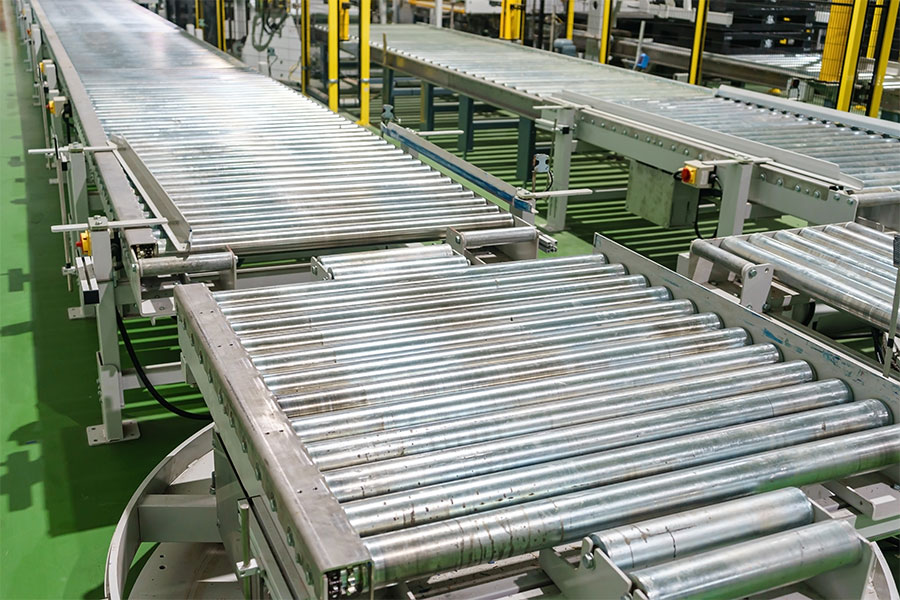
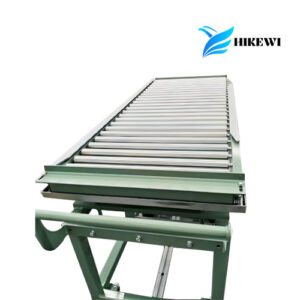
In modern packaging lines, efficiency, speed, and reliability are critical. A rolling conveyor system plays a vital role in achieving these objectives. At its core, a rolling conveyor uses a series of rollers to move products smoothly across production and packaging lines. Depending on the setup, the system can be powered by motors for automated transport or rely on gravity for cost-effective, low-energy operations.
Understanding how roller conveyors work can help businesses optimize their packaging processes. Motorized systems are ideal for heavier products or high-speed lines, while gravity-driven systems are commonly used in facilities where energy efficiency and simplicity are priorities. Rolling conveyors also offer more flexibility than other conveyor types, such as belt or chain systems, particularly when handling rigid items like cartons, boxes, or trays.
Rolling conveyors are widely recognized for their efficiency and adaptability. Here are the main benefits:
Roller conveyors come in several designs to meet diverse operational needs:
Roller conveyors are employed across multiple sectors, from assembly lines to fulfillment centers:
Choosing the ideal rolling conveyor involves evaluating several factors:
The following table summarizes common roller conveyor types and typical applications:
| Conveyor Type | Key Features | Ideal Applications |
|---|---|---|
| Gravity Rolling Conveyor | Energy-efficient, simple, minimal maintenance | Lightweight cartons, temporary lines |
| Powered Roller Conveyor | Motor-driven, high load capacity | Heavy packages, high-speed operations |
| Modular/Flexible Conveyor | Adjustable layout, expandable | E-commerce fulfillment, dynamic lines |
| Telescopic Rolling Conveyor | Extendable, easy loading/unloading | Warehouse shipping, bulk handling |
Even the most reliable systems require care:
While belt and chain conveyors are commonly used, roller conveyors have distinct advantages:
Facilities often employ a hybrid approach, combining rolling conveyors with other types to achieve maximum efficiency.

Innovation continues to enhance roller conveyors:
Roller conveyors are essential in modern packaging lines because they enhance efficiency, reduce labor costs, and adapt to evolving operational needs. Choosing the right system and maintaining it properly ensures reliable performance and long-term productivity. By integrating rolling conveyors thoughtfully, businesses can optimize packaging workflows, meet high-volume demands, and achieve cost-effective, scalable solutions for material handling.
What is a rolling conveyor?
A rolling conveyor is a material handling system that uses rollers to move products efficiently along production or packaging lines. It can be gravity-driven or motorized, offering smooth transport for cartons, boxes, and other rigid items.
How does a roller conveyor work?
Roller conveyors move items over rollers. Gravity systems rely on slope and weight, while powered systems use motors to rotate rollers, ensuring consistent, automated movement for high-speed packaging and assembly processes.
What are the main types of rolling conveyors?
Common types include gravity rolling conveyors, powered roller conveyors, flexible/modular conveyors, and telescopic conveyors. Each type is designed to meet different load capacities, layouts, and operational requirements.
What industries use rolling conveyors?
Rolling conveyors are widely used in packaging, logistics, warehousing, e-commerce fulfillment, assembly lines, and food processing. They improve efficiency, reduce labor costs, and support high-volume operations.
How can I maintain a rolling conveyor system?
Regular maintenance includes checking and lubricating rollers, inspecting drive components, ensuring proper alignment, and cleaning the frame. Consistent care extends lifespan, reduces downtime, and ensures reliable operation.