Are you ready to customize your product?
Fill in your information and requirements, and we will address your inquiry promptly!

Modern manufacturing, warehousing, and distribution operations increasingly depend on efficient material handling solutions to maintain productivity and reduce unnecessary movement. As production processes become more automated and supply chains become more complex, companies need equipment that can move materials smoothly, safely, and consistently.
Among various material handling solutions, roller conveyor systems have become an important choice for factories, warehouses, and logistics facilities because they provide reliable transportation for products, pallets, cartons, and other materials. By improving workflow organization and reducing manual handling requirements, these systems help businesses achieve higher operational efficiency.
According to industry analysis from the material handling sector, improving internal transportation efficiency is one of the key factors affecting overall production performance. A well-designed conveyor system can reduce handling time, improve workplace safety, and create a more stable production flow.
This article explores how roller conveyor systems improve efficiency in modern material handling, including their working principles, industrial applications, selection factors, and future development trends.
Material handling refers to the movement, storage, protection, and control of materials throughout manufacturing and distribution processes. Efficient material handling is essential because unnecessary transportation, repeated handling, and workflow interruptions can increase operational costs and reduce productivity.
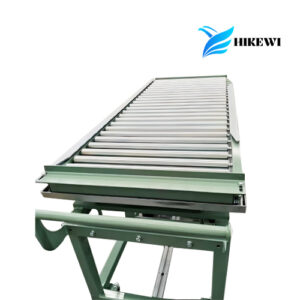
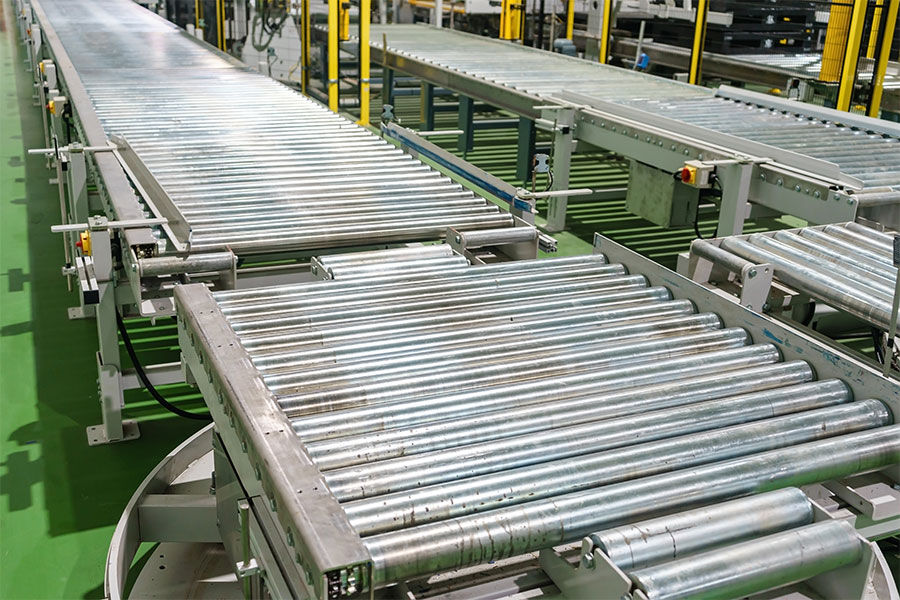
A roller conveyor system uses a series of rollers mounted within a frame structure to move materials from one location to another. Depending on the application requirements, the rollers can operate through gravity, motors, chains, or other drive mechanisms.
In modern facilities, roller conveyor systems are not simply transportation equipment. They are an important part of integrated production and logistics systems. When properly designed, they help connect different operational areas, improve process continuity, and support automated workflows.
The concept of modern material handling is closely connected with industrial engineering principles. Efficient movement systems help optimize factory layouts and improve the relationship between people, machines, and materials. The broader concept of material handling is described in detail through resources related to material handling.
The basic operation of roller conveyor systems is based on controlled material movement across rotating rollers. When products are placed on the conveyor surface, the rollers provide support and create movement through either external force or powered rotation.
Different operating methods are used depending on the required application:
Gravity roller conveyors use the natural force of gravity or manual pushing to move products. They are commonly used for lightweight goods, sorting areas, and temporary transportation zones.
Powered systems use motors to rotate rollers and control product movement. They are suitable for applications requiring continuous operation, accurate positioning, and automated control.
Chain-driven designs provide higher load capacity and are often used for heavy-duty applications where stable transportation is required.
By selecting the correct structure and drive method, companies can create a conveyor solution that matches production requirements while maintaining efficiency.
Different industries require different transportation methods. The following table summarizes common roller conveyor systems and their typical applications.
| Type of Roller Conveyor Systems | Main Features | Common Applications |
|---|---|---|
| Gravity Roller Conveyor Systems | Simple structure, low energy requirements | Warehouses, sorting areas, packaging lines |
| Powered Roller Conveyor Systems | Automated movement and speed control | Production lines, assembly operations |
| Heavy Duty Roller Conveyor Systems | High load capacity and durable construction | Pallet handling, industrial manufacturing |
| Flexible Roller Conveyor Systems | Adjustable layout and mobility | Temporary production areas, logistics operations |
| Pallet Roller Conveyor Systems | Designed for large and heavy loads | Warehouses and distribution facilities |
Understanding these differences helps companies select the right conveyor configuration based on product weight, transportation distance, workflow requirements, and automation goals.
One of the biggest advantages of roller conveyor systems is their ability to improve workflow efficiency. Traditional manual transportation often requires workers to repeatedly move products between different areas, which can create delays and increase physical workload.
By integrating conveyor equipment into production processes, materials can move continuously between workstations without unnecessary interruption.
Key efficiency improvements include:
Roller conveyor systems create predictable movement paths. Products can travel between processing stations, storage areas, and packaging zones with fewer delays.
This is especially valuable in high-volume manufacturing environments where even small workflow improvements can significantly influence overall productivity.
A well-designed conveyor layout allows companies to organize production areas more effectively. Instead of workers moving randomly between locations, materials follow a planned transportation route.
This improves process visibility and reduces unnecessary movement.
Manual material movement can lead to inconsistent handling speeds and increased workplace risks. Roller conveyor systems provide a stable transportation method that reduces repetitive handling tasks.
This allows employees to focus on more value-added activities such as quality inspection, equipment operation, and process improvement.
Roller conveyor systems are widely used because they can be customized for different material handling requirements.
In manufacturing environments, roller conveyors help connect production stages, allowing components and finished products to move efficiently between work areas.
They are commonly integrated into assembly lines, inspection stations, and packaging processes.
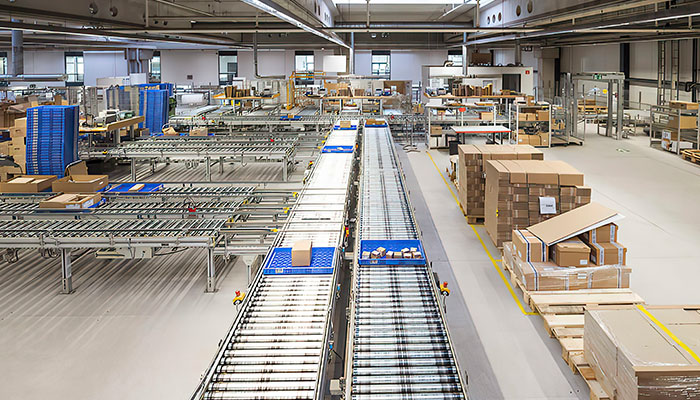
Warehouses rely on efficient transportation systems to manage incoming and outgoing goods. Roller conveyor systems help organize product movement, improve sorting efficiency, and support automated warehouse operations.
For facilities handling large volumes of products, conveyor systems can significantly improve space utilization and operational consistency.
Packaging operations require smooth product movement between filling, labeling, inspection, and shipping stages. Roller conveyors provide reliable transportation while maintaining product positioning accuracy.
Certain industries require specialized conveyor structures made from suitable materials to meet hygiene, durability, and operational requirements.
The flexibility of roller conveyor systems allows manufacturers to develop solutions for different working environments.
Choosing the correct conveyor solution requires evaluating several technical and operational factors.
The first consideration is the weight and size of transported materials. Heavy products require stronger frames, larger rollers, and more powerful drive systems.
A conveyor designed without considering load requirements may experience reduced performance and increased maintenance needs.
Roller materials influence durability, noise levels, and application suitability. Common considerations include:
The roller diameter, spacing, and construction should match the products being transported.
Modern facilities increasingly combine conveyors with sensors, control systems, and automated equipment.
Advanced roller conveyor systems can support automated sorting, tracking, and production coordination, helping companies build more intelligent material handling environments.
For businesses requiring specialized solutions, customized conveying equipment can be designed according to different production layouts and operational requirements.
Different conveyor technologies provide different advantages. Understanding the differences helps companies choose the most suitable solution.
| Conveyor Solution | Advantages | Suitable Applications |
|---|---|---|
| Roller Conveyor Systems | Strong adaptability, suitable for various products, easy integration | Warehouses, factories, logistics |
| Belt Conveyor Systems | Smooth transportation for irregular products | Bulk materials and continuous transport |
| Chain Conveyor Systems | High strength and heavy load capability | Heavy industrial applications |
| Screw Conveyor Systems | Suitable for loose materials | Powder and bulk handling |
Roller conveyor systems are often preferred when stable movement of packaged goods, cartons, containers, or pallets is required.
Automation has become an important direction in modern industrial development. Roller conveyor systems provide the transportation foundation needed for automated workflows.
When combined with sensors, robotic equipment, and warehouse management systems, conveyors can create more efficient material movement networks.
Benefits of automation integration include:
The combination of automation technology and conveyor equipment allows businesses to create flexible systems that adapt to changing operational needs.
Regular maintenance is essential for keeping roller conveyor systems operating efficiently.
Important maintenance practices include:
Preventive maintenance helps reduce unexpected downtime and extends equipment service life.
A maintenance plan should be developed according to operating conditions, workload intensity, and environmental factors.
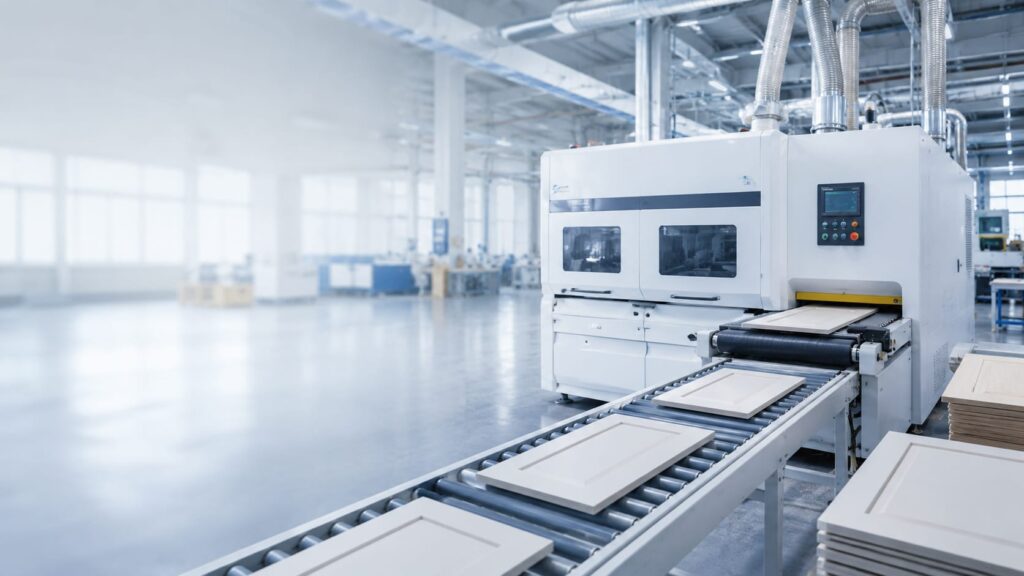
The future development of roller conveyor systems is closely connected with automation, digital technology, and intelligent manufacturing.
Several trends are shaping the industry:
Sensors and monitoring systems can collect operational data and identify potential problems before failures occur.
New conveyor designs focus on reducing energy consumption while maintaining transportation performance.
Modular conveyor structures allow companies to adjust layouts more easily when production requirements change.
As manufacturing environments continue evolving, roller conveyor systems will remain an important component of efficient material handling strategies.
Roller conveyor systems play a critical role in improving efficiency, reliability, and organization in modern material handling operations. By reducing unnecessary manual movement, improving workflow consistency, and supporting automation integration, these systems help companies create more productive industrial environments.
The effectiveness of a conveyor solution depends on selecting the correct design, load capacity, configuration, and integration approach. With continuous development in automation and smart manufacturing technologies, roller conveyor systems will continue to provide valuable support for factories, warehouses, and logistics operations.
For businesses looking to improve transportation efficiency, selecting a reliable roller conveyor systems solution can become an important step toward building a more efficient material handling process.
What are roller conveyor systems?
Roller conveyor systems are material handling equipment that uses rotating rollers to move products, cartons, pallets, or other materials between different operational areas. They can be powered or gravity-based and are widely used in manufacturing, warehousing, and logistics environments.
How do roller conveyor systems improve efficiency?
Roller conveyor systems improve efficiency by creating continuous material movement, reducing manual transportation, improving workflow organization, and supporting automated production processes. They help reduce delays and create more consistent handling operations.
What industries use roller conveyor systems?
Roller conveyor systems are commonly used in manufacturing, warehousing, packaging, logistics, automotive production, and industrial processing applications. Their flexible design allows them to handle different product sizes and transportation requirements.
How do I choose suitable roller conveyor systems?
Selecting roller conveyor systems requires considering load capacity, product dimensions, transportation speed, working environment, and automation requirements. A proper design ensures reliable operation and long-term performance.
Are roller conveyor systems suitable for automated production?
Yes. Roller conveyor systems can be integrated with sensors, control systems, and robotic equipment to support automated production lines. They provide stable material movement and help improve efficiency in smart manufacturing environments.