Are you ready to customize your product?
Fill in your information and requirements, and we will address your inquiry promptly!

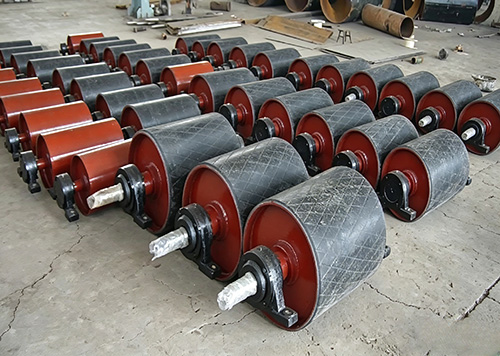
If your conveyor system has ever caused unexpected downtime, uneven material flow, or rising maintenance costs, you’re not alone. Many operators focus on motors, belts, or automation systems when troubleshooting performance issues. But in real-world operations, one of the most common root causes lies in a much simpler component: conveyor belt rollers.
These rollers may seem like basic mechanical parts, yet they directly influence how efficiently your entire system runs. Poor roller selection or maintenance can quietly increase energy consumption, accelerate belt wear, and reduce overall throughput. On the other hand, the right conveyor belt rollers—properly selected and maintained—can significantly improve system reliability, reduce operational costs, and extend equipment lifespan.
In this guide, you will learn how to evaluate, select, and optimize conveyor belt rollers using practical, experience-based methods. You’ll also see real examples, data-backed insights, and actionable steps that you can apply immediately to your own system.
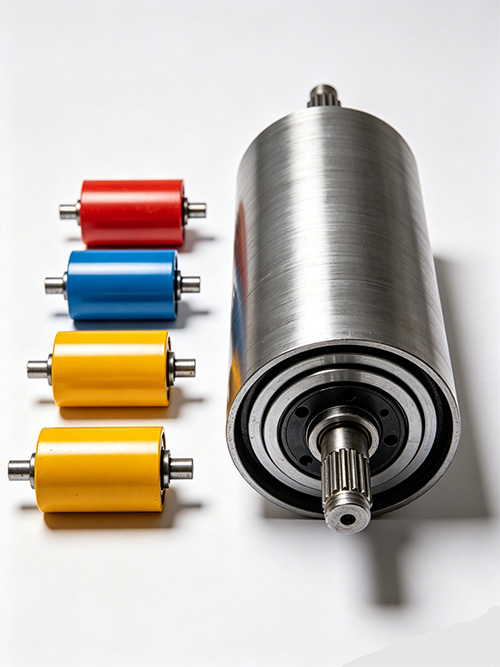
To optimize your system, you first need to understand the main types of rollers and how they function.
These rollers support the loaded section of the belt. They are typically arranged in a trough configuration to keep materials centered and prevent spillage.
Return rollers support the empty belt on its return path. While they carry less load, they play a crucial role in maintaining belt alignment.
Installed at loading zones, impact rollers absorb shock from falling materials. They protect both the belt and the structure from damage.
Guide rollers help maintain belt alignment and prevent lateral movement, especially in long conveyor systems.
These rollers automatically adjust to correct belt misalignment, reducing the need for manual intervention.
| Roller Type | Primary Function | Best Application Area | Key Advantage |
|---|---|---|---|
| Carrying Roller | Support loaded belt | Bulk material handling | Stable load distribution |
| Return Roller | Support empty belt | All conveyor systems | Maintains belt alignment |
| Impact Roller | Absorb shock | Loading zones | Protects belt and structure |
| Guide Roller | Prevent lateral movement | Long conveyors | Improves tracking |
| Self-Aligning Roller | Correct misalignment | Complex systems | Reduces maintenance effort |
Selecting the right rollers requires a structured approach. Instead of choosing based on price alone, you should evaluate your system conditions carefully.
Start by calculating the load your conveyor will carry. Heavy loads require rollers with reinforced structures and high load-bearing capacity.
Different materials behave differently on a conveyor. Fine materials require smooth surfaces, while abrasive materials demand wear-resistant rollers.
High-speed conveyors require precision-balanced rollers to reduce vibration and noise.
Dust, moisture, and temperature variations can affect roller performance. Sealed bearings and corrosion-resistant materials are essential in harsh environments.
If your system operates continuously, choose rollers designed for long service life and minimal maintenance.
A packaging facility experienced frequent conveyor stoppages, which disrupted production schedules. The initial assumption was that the motor system was underperforming.
After inspection, it was found that several conveyor belt rollers had worn bearings and uneven rotation. This caused increased friction and belt misalignment.
This case demonstrates how improving roller quality and configuration can solve issues that are often misattributed to other components.
Many operators unknowingly reduce system efficiency by making avoidable mistakes:
Avoiding these mistakes can significantly improve system performance.
Proper maintenance is essential for maximizing the lifespan of conveyor belt rollers.
Check for unusual noise, vibration, or resistance during rotation.
Remove debris buildup that can affect roller movement.
Ensure bearings are properly lubricated if not sealed.
Replace worn rollers before they fail completely to prevent system disruption.
In many industrial operations, proactive maintenance can extend roller life by 20% to 40%.
Energy efficiency is often overlooked when evaluating conveyor components. However, rollers play a significant role in determining how much power your system consumes.
Poorly performing rollers increase rolling resistance, forcing the motor to work harder. Over time, this leads to higher electricity costs and increased wear on the drive system.
Optimized rollers reduce resistance, allowing the system to operate more efficiently and lowering overall operational costs.
If you want to go beyond basic improvements, consider these advanced strategies:
Proper spacing ensures even load distribution and reduces belt sagging.
Better bearings reduce friction and improve rotation efficiency.
Use sensors to detect vibration or temperature changes in rollers.
These systems reduce manual adjustments and improve reliability.
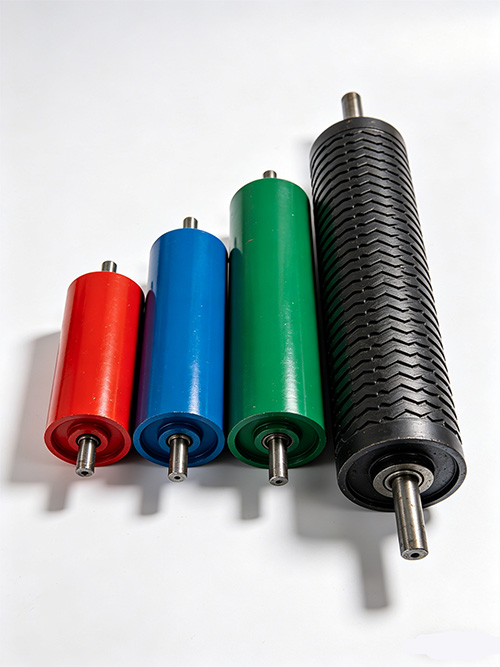
Before purchasing conveyor belt rollers, ask yourself:
Answering these questions helps you make a more informed decision.
Conveyor belt rollers are one of the most important yet underestimated components in a conveyor system. By selecting the right type, ensuring proper installation, and maintaining them regularly, you can significantly improve system performance and reduce long-term costs.
Instead of viewing rollers as simple mechanical parts, treat them as critical performance drivers. When optimized correctly, they can transform your conveyor system into a more efficient, reliable, and cost-effective operation.
What are conveyor belt rollers used for?
They support the conveyor belt and enable smooth material transport.
How long do conveyor belt rollers last?
Lifespan depends on load, environment, and maintenance, but high-quality rollers can last several years.
What causes roller failure?
Common causes include bearing wear, poor sealing, misalignment, and overloading.
How do I know when to replace rollers?
Signs include noise, vibration, uneven rotation, and belt misalignment.
Can rollers improve conveyor efficiency?
Yes, properly selected rollers reduce friction, improve alignment, and lower energy consumption.
If you’re unsure which conveyor belt rollers are best for your system, load conditions, or production environment, our experts are here to help. Contact us today for a personalized consultation, and ensure your conveyor system runs smoothly, efficiently, and with maximum reliability. Don’t wait until unexpected downtime slows your operation—get in touch now to optimize your performance and keep your production moving!