Are you ready to customize your product?
Fill in your information and requirements, and we will address your inquiry promptly!


Selecting the right conveyor roller is a critical decision for any industrial facility. Conveyor rollers play a vital role in material handling systems, ensuring smooth transportation of products, minimizing operational downtime, and improving overall workflow efficiency. Choosing an unsuitable roller can lead to frequent maintenance issues, higher costs, and production delays. In this article, we will provide a comprehensive guide to help you make an informed choice, covering types, applications, maintenance, selection criteria, and cost considerations.
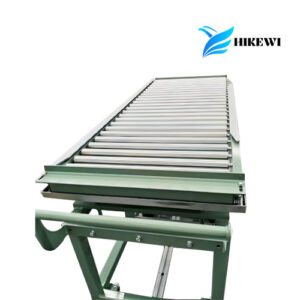
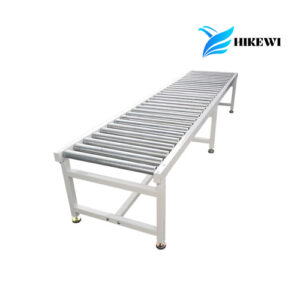
A conveyor roller is a cylindrical component that supports and guides materials or products along a conveyor system. It allows for smooth movement of goods across production lines or storage systems, reducing the need for manual handling. Conveyor rollers are used in a wide variety of industries, including manufacturing, packaging, warehousing, logistics, and food processing.
The main components include the roller tube, shaft, bearings, and end caps. The tube is the cylindrical part that supports the load, while the shaft connects the roller to the conveyor frame. Bearings ensure smooth rotation and reduce friction, extending the roller’s lifespan. End caps protect internal components and can also house lubrication points.
Conveyor rollers operate by rotating around their shaft, allowing the conveyor belt or product to move efficiently. Gravity, motorized drives, or belt tension provide the necessary force for movement. Proper alignment, spacing, and material choice are crucial for optimal performance.
Standard rollers are suitable for light to medium loads, often found in packaging or assembly lines. Heavy-duty rollers are designed for industrial applications that require transporting large, heavy items and are made from stronger materials with reinforced shafts.
Gravity rollers rely on the natural slope of the conveyor or manual pushing of goods, whereas motorized rollers are driven by electric motors. Motorized rollers provide consistent speed and are ideal for high-throughput systems.
Conveyor rollers come in materials such as stainless steel, PVC, rubber-coated, and polyurethane. Stainless steel is durable and corrosion-resistant, making it suitable for wet or hygienic environments. PVC and rubber-coated rollers are quieter and suitable for light-duty applications.
Some applications require specialty rollers, such as high-temperature, sanitary, or chemical-resistant rollers. These rollers ensure safe operation in demanding environments while protecting the conveyed products.
Conveyor rollers facilitate the transport of raw materials, components, and finished products between stations. This reduces manual labor and ensures smooth workflow between production stages.
Rollers in warehouse conveyors allow fast and organized movement of goods for storage or shipping. Automated roller conveyors integrate with sorting and barcode scanning systems for optimized operations.
Packaging lines benefit from conveyor idler rollers that maintain a consistent product flow. They support box handling, labeling, and sealing processes, improving line efficiency and reducing bottlenecks.
In food and pharmaceutical applications, rollers often use stainless steel or sanitary coatings to meet hygiene standards. Easy cleaning and chemical resistance are essential to prevent contamination and maintain quality.
Properly selected conveyor rollers enhance material flow, reduce bottlenecks, and maintain a steady production pace. According to the Industrial Material Handling Report (2025), factories using optimized conveyor rollers reported up to 35% higher throughput compared to unoptimized systems.
Automating material handling with conveyor idler rollers minimizes manual transport tasks, allowing workers to focus on higher-value activities.
Smooth, reliable rollers reduce the risk of product damage, spillage, and workplace injuries. Properly aligned rollers maintain consistent load support and prevent sudden jams.
Conveyor rollers can be customized in diameter, material, length, and load capacity to meet specific production needs. Modular systems allow easy expansion as your facility grows.

Select rollers that can handle the heaviest anticipated load with at least a 20% safety margin. Overloading reduces lifespan and increases maintenance requirements.
The roller must match the conveyor belt or system speed to ensure smooth material flow without slippage or excessive friction.
Consider environmental factors such as moisture, chemical exposure, and temperature. For hygienic applications, stainless steel or sanitary-coated rollers are preferred.
Larger diameters and thicker shafts improve durability and load-bearing capacity. Shaft quality and end bearing type also affect performance and maintenance frequency.
Schedule routine inspections to check for alignment, wear, and lubrication. Clean rollers regularly to prevent debris accumulation, which can reduce performance and increase wear.
Typical issues include misalignment, uneven wear, noise, and bearing failures. These problems can slow down production and increase operational costs if not addressed promptly.
Correct roller alignment using precision measuring tools. Replace worn or damaged bearings and ensure proper lubrication to maintain smooth rotation.
Prevent overloading, maintain proper alignment, and choose the appropriate material for your application. Regular maintenance can extend roller lifespan by several years.
High-quality conveyor rollers may require a higher upfront cost but result in lower maintenance, reduced downtime, and better operational efficiency over time.
Facilities that invest in properly designed conveyor idler rollers can achieve faster throughput and lower labor costs, leading to a return on investment within 12–18 months, according to the Conveyor Systems Efficiency Report.
Compared to manual handling or slide/chute systems, conveyor idler rollers offer greater control, higher speed, and improved safety.
Selecting rollers from reputable suppliers ensures access to replacement parts, technical support, and reduced downtime.
| Feature / Criteria | Considerations | Recommended Choice |
|---|---|---|
| Material | Compatibility with environment and product type | Stainless steel for hygiene, PVC/rubber for light duty |
| Roller Diameter | Load capacity and conveyor speed | Larger diameter for heavy loads |
| Shaft Material | Strength and corrosion resistance | Steel shaft for heavy-duty applications |
| Load Capacity | Maximum product weight | Select 20% higher than max load |
| Maintenance Frequency | Operational schedule and usage | Weekly inspection, quarterly detailed maintenance |
| Motorized vs Gravity | Production speed and automation needs | Motorized for high-throughput, gravity for simple lines |
Choosing the right conveyor roller is more than a purchase decision—it is an investment in your facility’s productivity, safety, and long-term efficiency. By carefully evaluating load requirements, speed, materials, and maintenance considerations, you can select rollers that deliver reliable performance, reduce downtime, and improve workflow across multiple industrial applications. Properly designed conveyor idler roller systems not only support operational goals but also enhance workplace safety and product quality, making them indispensable for modern material handling operations.
What is a conveyor roller?
A conveyor roller is a cylindrical component used to support and move materials along a conveyor system efficiently.
How do I choose the right conveyor idler roller?
Consider factors like load capacity, roller material, conveyor speed, and environmental conditions to select the best roller for your system.
How long do conveyor idler rollers last?
With proper maintenance, most conveyor idler rollers last between 5 to 10 years, depending on usage intensity and load.
Can conveyor idler rollers handle heavy loads?
Yes, heavy-duty conveyor idler rollers are designed to carry large or heavy items without compromising performance.
How often should conveyor idler rollers be maintained?
Inspect and clean rollers weekly and perform detailed maintenance, including alignment and lubrication, every few months.
If you’re unsure which conveyor roller is best for your industrial system or production line, our experts are here to help. Contact us today for a personalized consultation, and ensure your material handling system is efficient, safe, and reliable. Don’t wait until production slows down—get in touch now to optimize your workflow and protect your operations!