Are you ready to customize your product?
Fill in your information and requirements, and we will address your inquiry promptly!

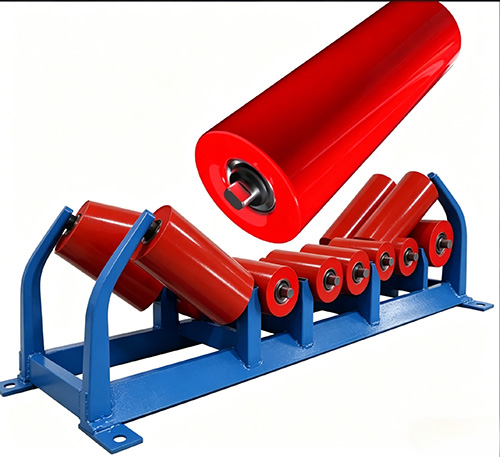
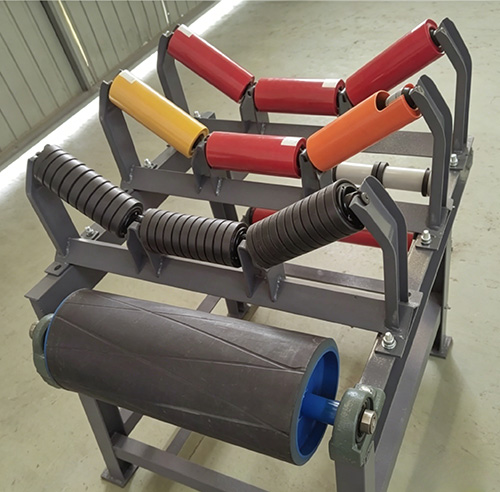
In a belt conveyor system, the idler conveyor roller may look like a small supporting part, but it has a direct impact on belt stability, energy use, material flow, maintenance frequency, and long-term operating reliability. When the roller is correctly selected, the belt runs smoothly. When the roller is poorly matched to the application, small problems can quickly turn into belt deviation, abnormal noise, bearing failure, material spillage, or unexpected downtime.
For engineers, plant operators, and equipment buyers, choosing the right idler conveyor roller is not only about diameter or length. You need to consider the conveyed material, belt width, load condition, installation position, working environment, bearing protection, sealing structure, and maintenance access.
This guide explains how an idler conveyor roller works, what types are commonly used, how to select the right design, and what details should be checked before purchase or replacement.
An idler conveyor roller is a rotating support component installed along a belt conveyor. Its main job is to support the conveyor belt and the material being carried, while allowing the belt to move with less resistance.
In a typical conveyor belt system, the belt moves around pulleys and is supported by rollers along the carrying and return sections. The idler roller does not drive the belt directly. Instead, it supports, guides, stabilizes, and helps maintain the correct belt shape during operation.
A well-designed idler conveyor roller usually includes a steel tube, shaft, bearing, sealing system, end housing, and surface treatment. These parts must work together smoothly because the roller may rotate continuously for long periods under load.
A conveyor belt does not run in isolation. It depends on many small support points along the structure. Each idler conveyor roller affects friction, belt alignment, impact absorption, and material stability.
In daily operation, roller performance influences four important areas:
First, it affects belt running resistance. A roller with poor rotation increases friction, which may increase the load on the conveyor drive system.
Second, it affects belt tracking. If rollers are not aligned, worn, stuck, or installed at inconsistent heights, the belt may drift to one side.
Third, it affects belt service life. A seized roller or rough roller surface can damage the belt cover, especially when the conveyor carries abrasive or heavy materials.
Fourth, it affects maintenance planning. High-quality rollers with reliable bearings and seals can reduce frequent replacement work and help operators keep the conveyor line more stable.
This is why many buyers treat Conveyor Rollers as critical conveyor components rather than simple spare parts.
Different conveyor positions require different roller designs. Choosing the wrong type may cause poor support, belt sagging, impact damage, or unstable tracking.
Carrying rollers support the loaded side of the conveyor belt. They are usually installed under the belt section that carries material. In trough belt conveyors, carrying rollers may be arranged in a troughing frame to help form the belt into a carrying shape.
A Carrying Roller is suitable for sections where stable belt support and smooth material movement are required. For bulk handling applications, carrying rollers should be selected according to belt width, material weight, roller spacing, and conveyor speed.
Return rollers support the empty belt on its way back to the loading point. They usually face less material load than carrying rollers, but they still play an important role in belt stability.
Parallel Idlers are commonly used where the belt needs flat and even support. They are simple in structure and useful for return sections or applications where the belt does not need troughing support.
Impact rollers are installed at loading zones, where falling material hits the conveyor belt. Their surface is usually designed with rubber or polyurethane cushioning to reduce impact force.
A Buffer Roller helps protect the belt and roller structure from repeated shock. This type is especially useful at transfer points, feed points, and other areas where material drops from height onto the belt.
Self-aligning idlers are designed to help correct belt deviation. When the belt moves away from the center, the self-aligning structure can generate a corrective effect and guide the belt back toward a better running position.
A Self-Aligning Idler is useful for long conveyor lines, return sections, transition zones, or applications where belt tracking problems appear frequently. It should not be used as a replacement for poor installation quality, but it can greatly improve running stability when applied correctly.
The right idler conveyor roller should match the actual conveyor system. Before choosing a roller, you should collect several basic operating details.
Belt width is one of the first things to confirm. Roller length and frame size must match the belt width and conveyor structure. If the roller is too short, belt support may be poor. If it is not compatible with the frame, installation becomes difficult.
Load condition is also important. A conveyor carrying light packages does not require the same roller structure as a heavy-duty bulk material line. For heavy loads, the roller tube, shaft, bearing, and frame must be strong enough to handle continuous stress.
Material characteristics should not be ignored. Fine powder, wet material, sharp particles, sticky material, and high-impact lumps all place different demands on the roller surface and sealing design.
Conveyor speed matters because the roller rotates more frequently at higher belt speeds. A roller with poor bearing quality may overheat, become noisy, or fail early under high-speed operation.
Working environment affects service life. Dust, moisture, temperature change, and outdoor exposure can all enter the bearing area if the sealing system is weak. For harsh environments, bearing protection is one of the most important selection points.
Maintenance access should also be considered. If rollers are difficult to inspect or replace, choosing a more durable roller design becomes even more important.
When buyers compare idler conveyor rollers, they often focus on size first. Size is important, but service life is usually decided by details that are less visible.
The roller shell must be round, strong, and accurately processed. Poor roundness can cause vibration and uneven belt contact. Over time, this may increase noise, belt wear, and bearing stress.
The shaft must have enough strength and dimensional accuracy. A weak or poorly machined shaft can affect bearing alignment and roller rotation.
Bearings are one of the most important components in the roller. If the bearing is not suitable for the load, speed, or environment, the roller may develop noise, heat, or rotation resistance.
The sealing system protects the bearing area from dust, water, and fine particles. In many conveyor applications, seal failure leads to bearing contamination, which then causes roller failure. Labyrinth sealing, multi-stage sealing, and properly assembled end structures can help improve reliability.
Many conveyor problems start small. A slightly noisy roller may not stop production immediately, but it often gives an early warning.
Roller noise may come from bearing wear, poor lubrication, seal damage, tube deformation, or foreign material stuck around the roller.
Roller seizure is more serious. When a roller stops rotating while the belt keeps moving, the belt slides over the roller surface. This can generate heat, wear the belt cover, and damage the roller shell.
Belt misalignment may be related to uneven idler installation, damaged frames, material loading off-center, or inconsistent roller rotation. Self-aligning idlers can help, but the root cause should still be checked.
Material buildup is common when handling sticky or wet materials. Buildup on the roller surface changes the roller diameter unevenly, which can disturb belt tracking and increase vibration.
Premature bearing failure may be caused by dust ingress, water contamination, overloading, poor installation, excessive speed, or low-quality bearing protection.
Understanding these causes helps you choose the right roller before the problem appears, instead of only replacing failed parts after downtime has already happened.
A good maintenance routine does not need to be complicated. It should focus on early detection and consistent observation.
During operation, listen for abnormal noise. A healthy roller usually rotates smoothly. Sharp, grinding, or irregular sounds may indicate bearing problems.
Check whether rollers are rotating freely. A stuck roller should be replaced quickly because it can damage the moving belt.
Look for uneven belt contact. If one side of the roller shows unusual wear, the conveyor frame or belt tracking may need adjustment.
Inspect the loading zone more often. Impact rollers work under harsher conditions, so they may need closer attention than rollers in light-load sections.
Watch for material buildup. Cleaning sticky material from rollers can help reduce belt deviation and roller imbalance.
Record replacement patterns. If the same position repeatedly damages rollers, the issue may not be the roller alone. It may be related to loading angle, chute design, belt tension, frame alignment, or environmental contamination.
| Selection Factor | What to Check | Why It Matters |
|---|---|---|
| Belt width | Roller length, frame compatibility, belt edge support | Prevents poor fit, belt sagging, and unstable running |
| Load condition | Material weight, impact level, roller spacing | Ensures the roller can support real operating stress |
| Roller type | Carrying, return, impact, self-aligning, parallel | Matches the roller function to the conveyor position |
| Bearing design | Load rating, rotation smoothness, protection level | Affects noise, heat, rotation resistance, and service life |
| Sealing structure | Dust and moisture protection | Helps prevent bearing contamination and early failure |
| Roller surface | Steel, rubber-coated, impact cushioning, anti-buildup design | Reduces belt damage and improves material handling stability |
| Working environment | Dust, moisture, temperature, outdoor exposure | Determines the need for stronger sealing and surface protection |
| Maintenance access | Replacement space, inspection frequency, spare parts planning | Reduces downtime during repair and routine maintenance |
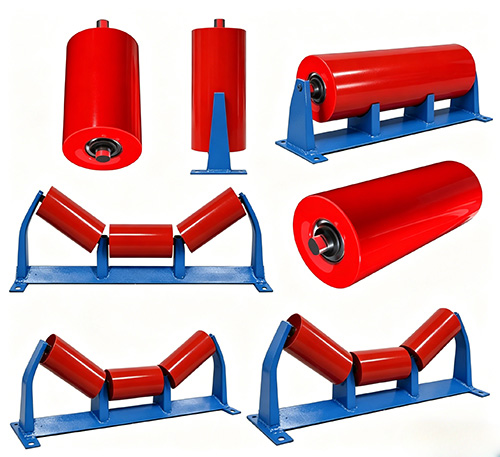
For general belt support, carrying rollers are usually the first choice. They should provide stable contact and enough strength for the loaded belt.
For the return side of the conveyor, parallel idlers or return rollers are commonly used. Their job is to support the empty belt and keep it running smoothly back to the tail section.
For loading points, impact or buffer rollers are better suited because they can absorb shock from falling material. Without proper impact protection, the belt may suffer surface damage, splice stress, or premature wear.
For long conveyors or systems with frequent belt deviation, self-aligning idlers can improve tracking stability. However, they should be used together with good installation practices, correct material loading, and proper belt tension.
For sticky materials, roller surface design becomes more important. Operators may need cleaning devices, rubber disc rollers, or other anti-buildup solutions depending on the material condition.
For dusty or wet environments, sealing and bearing protection should be prioritized. A roller that works well in a clean indoor line may not last long in a harsh bulk handling site if the bearing area is not protected.
One common mistake is choosing only by size. Two rollers may have the same diameter and length, but their bearings, seals, shaft strength, shell thickness, and assembly accuracy may be very different.
Another mistake is ignoring the loading zone. Many conveyor belt problems begin where material first lands on the belt. If this area uses the wrong roller type, the belt and rollers may wear faster.
Some buyers also overlook the return side. Since the return belt carries no material, it may seem less important. In reality, return rollers still affect belt tracking, noise, and long-term conveyor stability.
A further mistake is treating all conveyor environments the same. Dust, moisture, abrasive materials, and continuous operation can quickly expose weak roller designs.
Finally, buyers sometimes replace failed rollers without asking why they failed. If rollers repeatedly fail in the same section, the system may need alignment correction, better sealing, improved loading control, or a different roller type.
Choosing the right idler conveyor roller is a practical engineering decision. It requires more than matching diameter and length. You need to understand where the roller will be installed, what load it will support, how the belt runs, what material is being conveyed, and what environmental risks exist around the conveyor.
A suitable roller can improve belt stability, reduce running resistance, protect the belt, lower maintenance frequency, and support smoother production. A poorly matched roller can create noise, misalignment, belt wear, bearing failure, and unnecessary downtime.
For stable long-term conveyor performance, focus on roller type, bearing quality, sealing design, surface structure, installation accuracy, and real operating conditions. When these details are handled correctly, the idler conveyor roller becomes a small component with a major impact on the reliability of the entire conveyor system.
What is an idler conveyor roller?
An idler conveyor roller is a rotating support component used in belt conveyor systems. It supports the belt, reduces running resistance, helps maintain belt shape, and improves smooth material movement across carrying or return sections.
How do I choose the right idler conveyor roller?
Choose by belt width, load weight, conveyor speed, material type, working environment, roller position, bearing design, and sealing structure. For impact zones, use buffer rollers; for belt deviation, consider self-aligning idlers.
Why does an idler conveyor roller fail?
Common causes include bearing contamination, poor sealing, excessive load, material buildup, misalignment, roller seizure, weak shaft design, or harsh working conditions. Regular inspection helps detect these problems early.
What is the difference between a carrying roller and a return roller?
A carrying roller supports the loaded side of the conveyor belt, while a return roller supports the empty belt on its return path. Carrying rollers usually handle more load, while return rollers help maintain belt stability.
Can idler conveyor rollers reduce belt misalignment?
Yes, properly installed idler conveyor rollers can help support stable belt movement. Self-aligning idlers are especially useful for correcting belt deviation, but they should be combined with correct loading, frame alignment, and belt tension.